
Turn energy waste intoindustrial advantage.
Renron Energies optimizes Battery Energy Storage Systems (BESS) for India's 50,000+ manufacturing plants — turning stranded grid assets into automated revenue engines.
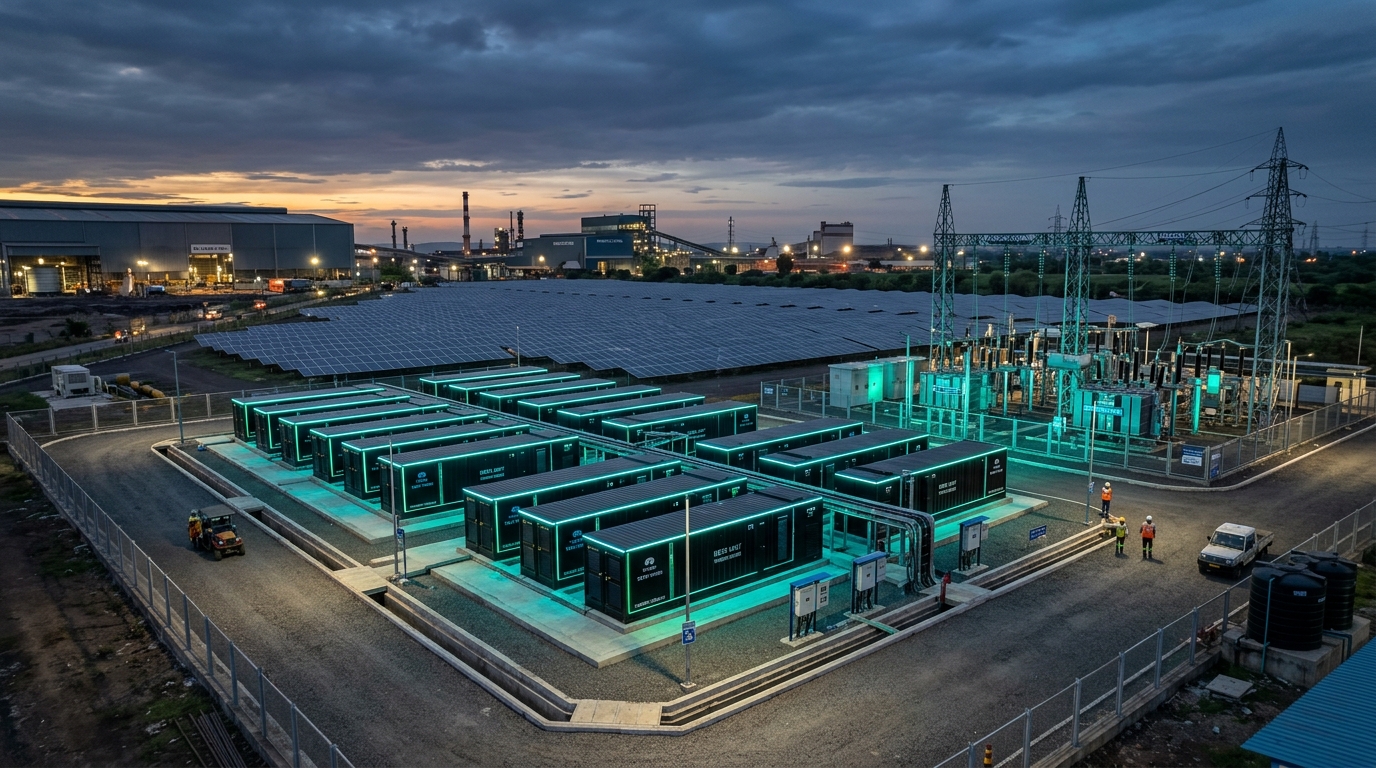
Small peaks. Significant losses.
15-Minute Peak Window
When heavy motors or induction furnaces start up, transformer load exceeds contract limits for as little as 15 minutes.
Manual Electricians
Current monitoring relies on electricians writing down meter readings on clipboards twice a shift. It misses instant 1-second surges entirely.
Missing Intelligence Layer
Hardware BESS batteries are being deployed nationwide, but lack real-time financial algorithms to execute peak shaving automatically.
From signal to savings, automatically.
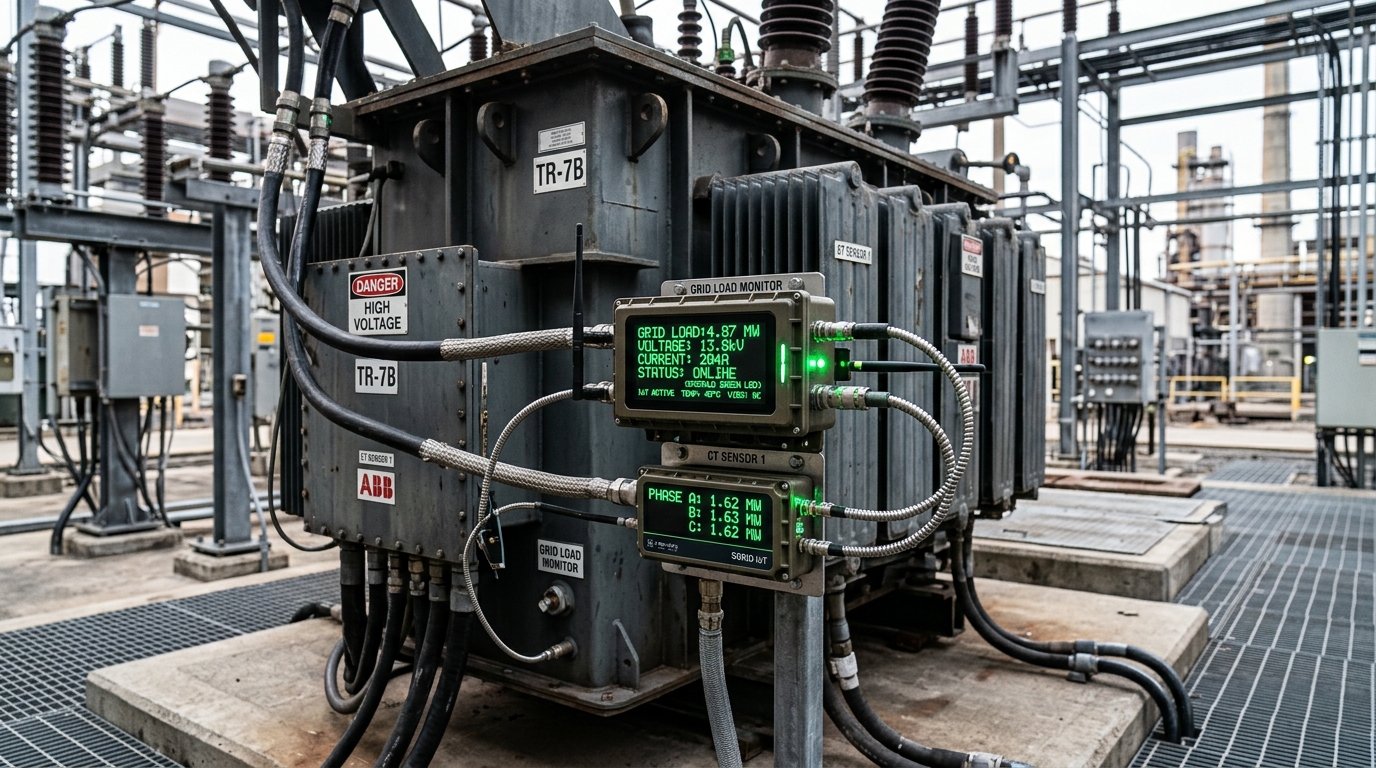 Phase 1
1. Diagnose
Zero-downtime CT sensors extract live transformer telemetry. Our tariff translation engine maps demand spikes directly to exact rupee losses.
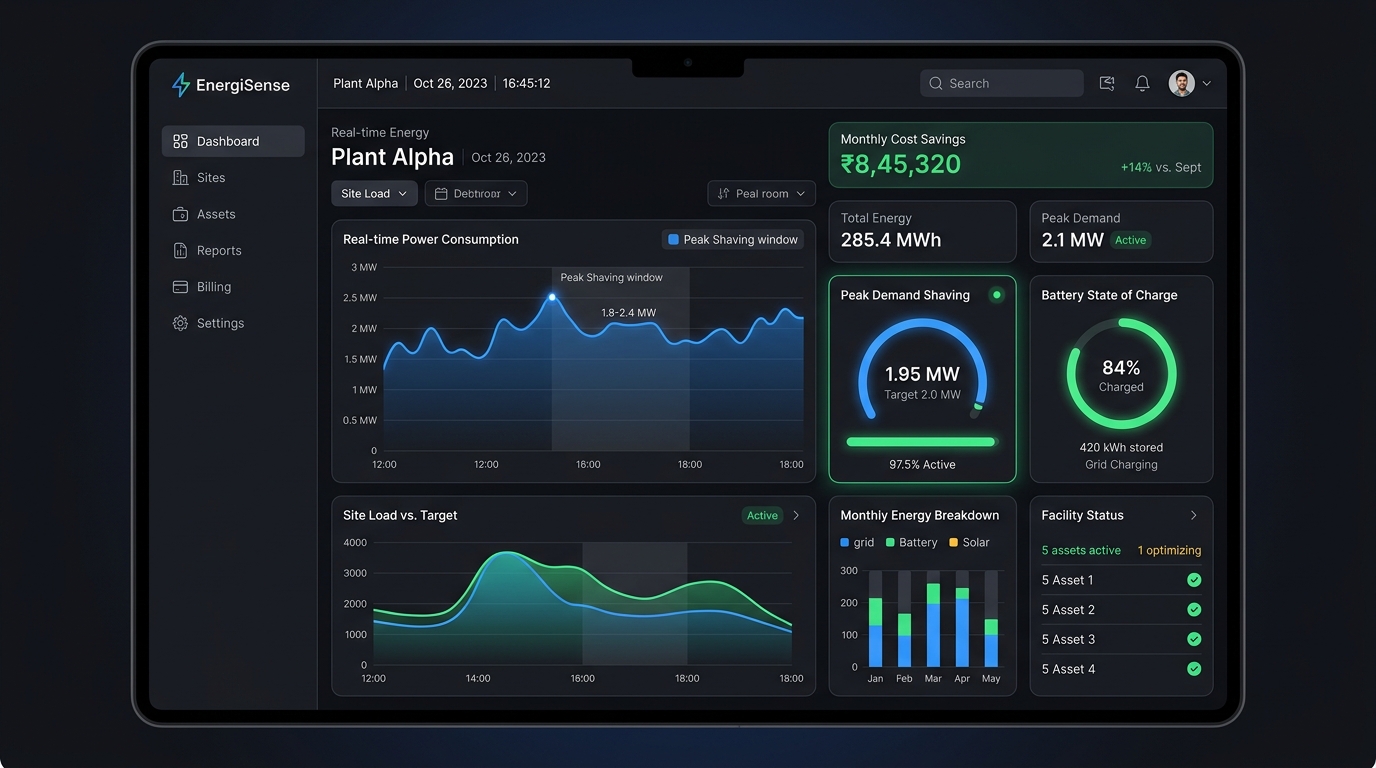 Phase 2
2. Prevent
When load surges threaten contract thresholds, our edge controller dispatches battery power within milliseconds, shaving the peak automatically.
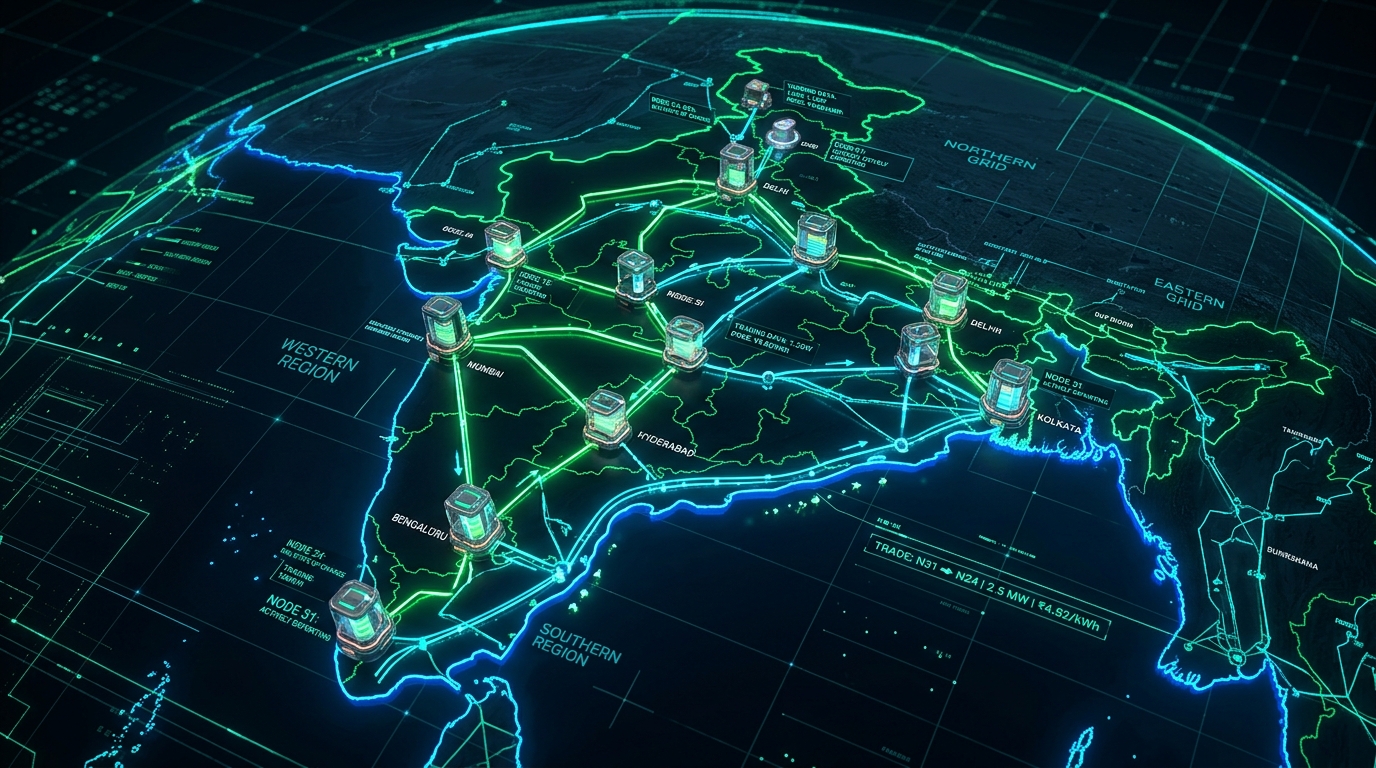 Phase 3
3. Trade
Aggregates distributed battery storage into a Virtual Power Plant (VPP) to trade excess stored energy on the Indian Energy Exchange (IEX) spot market.
Find the cost hiding in your electricity bill.
Adjust your plant parameters below to see how our automated 15-minute BESS peak shaving turns utility penalties into profit.
1Plant Infrastructure Specs
2Optimized Financial Projection
Zero Hardware CapEx PilotMoney lost directly to utility boards in single 15-minute demand spikes.
Direct automated savings generated by deploying Renron battery intelligence.
No physical disruption. Delivered within 24 hours from your utility bill.
Intelligence you can watch working.
Explore how Renron monitors live transformer load, dispatches battery energy within milliseconds, and prevents monthly demand penalties automatically.
Zero-Downtime Smart Sensor Infrastructure
We attach non-invasive current transformers (CT sensors) to factory main incoming transformers. No plant shutdown required. Sensors capture electrical telemetry every second and stream it to our edge gateway.
- ✓Zero-downtime clamp-on installation
- ✓High-precision 1-second load sampling
- ✓State tariff formula financial calculation
- ✓Instant baseline leakage discovery report
Small team. Serious energy experience.
Darjeeronak
Co-Founder & CTO
Architect of CT sensor telemetry pipeline, DISCOM tariff calculation algorithms, and millisecond BESS inverter dispatch controller.
Kavin Kartik
Co-Founder & CEO
Led market validation cycle on industrial energy infrastructure across North India. Identified BESS peak shaving as unaddressed high-margin gap.
Manoj Bhatt
Technical Advisor | IoT & Power Systems
Provides institutional guidance on industrial sensor calibration, hardware reliability standards, and electrical safety protocols.
One bill. One clear energy plan.
Send us a recent HT electricity bill or your plant specs. Our financial translation engine generates a detailed Financial Demand Leakage Report within 24 hours at zero cost.
No Physical Site Downtime
Initial audit is 100% data-driven using your DISCOM bill parameters and load profiles.
Guaranteed Rupee Leakage Estimate
Exact rupee breakdown showing how much your plant overpays each month.
📍 Head Office: Rajasthan / Delhi NCR
✉️ Direct Founder Email: renronenergies@gmail.com
🌐 Official Portal: renron.in